

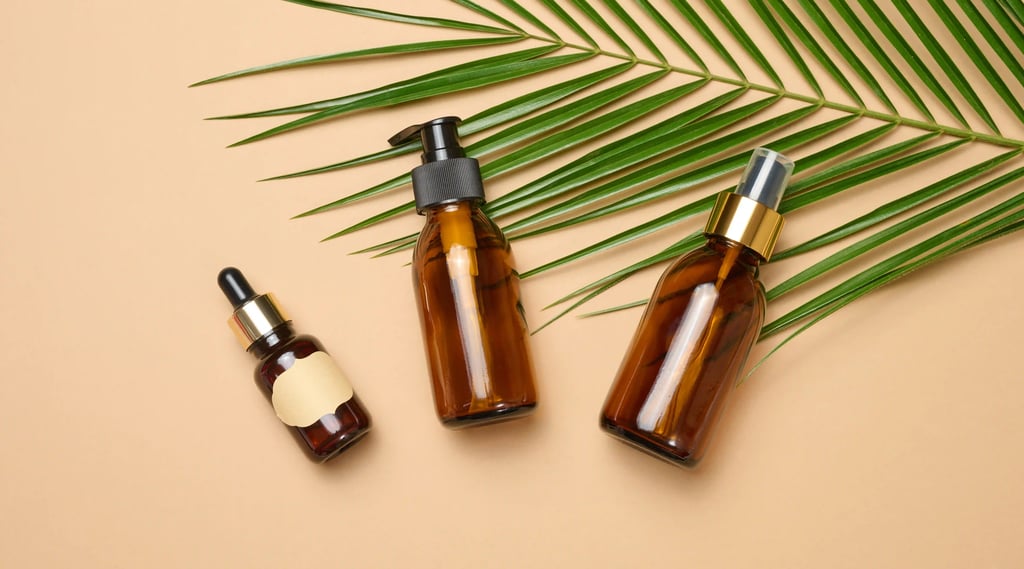
What are Cannabis Topicals?
TL;DR Cannabis topicals are cannabis-infused creams, balms, lotions, gels, and...

Need more clarity on the process?
Our team can help you understand the steps to get a medical cannabis card in your state.

________________________________________________________________________
Most people hear about cannabis through oils, edibles, or inhalation first.
Topicals usually come up later. Often when someone is standing in a dispensary looking at a cream, balm, or patch and wondering whether it genuinely helps, or whether it’s just clever marketing.
That question is fair.
In physician evaluations, topicals are one of the most common cannabis products patients ask about because they tend to feel less intimidating than inhaled cannabis or edibles. They’re also easier for many people to fit into everyday routines, especially when discomfort is limited to one area.
If you’ve been looking into cannabis topicals, THC topicals for pain, CBD topical products, or cannabis balm and salve options, here’s what physicians want patients to understand before trying them.
Cannabis topicals are products applied directly to the skin.
They include:
Most standard cannabis topicals are designed to stay near the area where they’re applied. Unlike inhaled cannabis or edibles, they generally do not enter the bloodstream in meaningful amounts and are not typically associated with intoxicating effects.
For patients who feel cautious about trying cannabis for the first time, that can make topicals feel like a more comfortable place to start.
Transdermal patches work differently. They are formulated to move cannabinoids through the skin and into the bloodstream over time. Depending on the cannabinoid ratio and dosage, some transdermal THC products may produce intoxicating effects and could appear on drug testing.
A cream and a patch may look similar on the shelf, but they behave very differently in the body. Let’s get to the bottom of it!
Your body has an endocannabinoid system involved in functions like pain signaling, inflammation, mood, and sleep. Cannabis compounds interact with receptors found throughout the body, including in the skin and nearby sensory tissue.
When cannabis topicals are applied to the skin, cannabinoids interact with receptors near the application site.
Patients often ask why one product feels more useful than another. Part of that comes down to cannabinoid blends, terpene profiles, dosage, and how the product is formulated.
Because standard topical products usually stay near the area where they’re applied, intoxicating effects are considered unlikely in most cases.
Some small studies have reported minimal detectable THC levels in blood or urine after standard topical application, though absorption can vary depending on dosage, frequency of use, skin condition, and product type.
This is usually where patients start asking about the difference between THC and CBD.
THC also interacts with cannabinoid receptors found in the skin and nearby sensory tissue, and some patients explore THC topicals for pain involving joints, muscles, or nerve-related discomfort in specific areas.
Patients commonly ask about THC-containing topicals for:
For some patients, that targeted approach feels easier to handle as compared to other products that can intoxicate them.
Research in this area is still developing, and much of the available evidence remains observational or early-stage, especially for long-term outcomes.
CBD and THC do not behave exactly the same way in topical products.
CBD is generally considered non-intoxicating, including in topical formats, which is one reason some patients prefer starting there first.
Patients sometimes explore CBD topical products when discussing:
Some patients also ask about full-spectrum products containing both THC and CBD because different cannabinoid blends and terpene profiles may influence how a product feels from person to person. A physician’s evaluation is important to understand what works best for which condition.
Early-stage research has explored topical cannabinoids in context of skin barrier function, inflammatory skin conditions, and irritation-related concerns, though evidence remains limited.
Different topical products absorb differently and fit different situations.
Patients searching for marijuana topical creams are often looking for products that feel familiar and easy to use, especially if they’re new to medical cannabis.
Creams and lotions spread easily across larger areas and often include moisturizing ingredients.
Patients commonly explore them for knees, hands, shoulders, or larger muscle groups.
Cannabis balm and salve products are thicker and tend to stay in place longer, which some patients prefer for smaller targeted areas.
Gels absorb more quickly and usually feel lighter on the skin.
Some patients prefer them after physical activity or for muscle tension.
Transdermal patches provide sustained cannabinoid delivery over several hours.
Because they may enter the bloodstream, they can behave very differently from standard cannabis topicals.
A few things matter more than branding or packaging. A physician’s guidance can make you feel confident when you are choosing between different products. These are some things you should keep in mind when selecting them.
Check whether the product contains THC, CBD, or a balanced cannabinoid ratio.
Different cannabinoid blends may feel different depending on the product and intended use.
Total cannabinoid content affects concentration and application strength.
Many cannabis topicals also include ingredients like:
Some patients tolerate these well. Others may experience irritation or skin sensitivity.
Creams, balms, gels, and patches all absorb differently.
Sometimes choosing the right formulation matters just as much as choosing the cannabinoid content itself.
Patients should purchase cannabis products from licensed dispensaries and review available lab testing information before use.
Side effects from cannabis topicals are usually limited to the skin compared to inhaled or edible cannabis products.
Some patients report:
In many cases, irritation may relate more to added ingredients than cannabinoids themselves.
Starting with a small amount first is a sensible approach with any new topical product.
Access to cannabis topical products varies significantly by state, and rules around hemp-derived versus marijuana-derived products are changing frequently. A licensed physician familiar with your state's current program can clarify what's available where you live
In some states, certain topical products may be available without a medical cannabis certification. In others, access may differ depending on THC content and local regulations.
A licensed physician evaluation may still provide advantages, depending on the state, including:
- Access to higher-potency formulations in some state programs
- Potential tax or purchase advantages in certain states
- Guidance from licensed physicians and dispensary professionals
Qualifying conditions and cannabis laws vary significantly by state.
Patients dealing with chronic pain or persistent nerve-related symptoms may qualify under medical cannabis programs, depending on the state. Evaluation can help clarify eligibility within your state’s program.
Cannabis remains a Schedule I substance federally, even though many states operate regulated medical cannabis programs.
Doctors of Cannabis connects patients to licensed physicians through our telehealth partner network for medical cannabis evaluations.
Board-certified physicians review your health history, current medications, symptoms, and wellness goals before discussing whether medical cannabis may fit your situation.
If cannabis topicals are part of the conversation, a physician may help explain:
Evaluations are completed by phone or secure video. No computer required.
If you've been dealing with ongoing joint or muscle discomfort, physical tension, or localized symptoms that may qualify under your state's medical cannabis program, finding out if you qualify through a licensed physician is a logical next step.
Our team handles the cumbersome state processes and paperwork. So, you have one less thing to worry about on your journey to wellness. You only pay if approved.
Cannabis topicals can feel like a more approachable entry point into medical cannabis, especially for patients who want something targeted rather than an intoxicating cannabis experience.
THC topicals for pain, CBD topical products, creams, balms, gels, and patches all behave differently depending on cannabinoid blend, dosage, and delivery method.
Understanding those differences before buying a product can make conversations with a licensed physician clearer, less overwhelming, and more useful.
TL;DR Cannabis topicals are cannabis-infused creams, balms, lotions, gels, and...
Our team can help you understand the steps to get a medical cannabis card in your state.