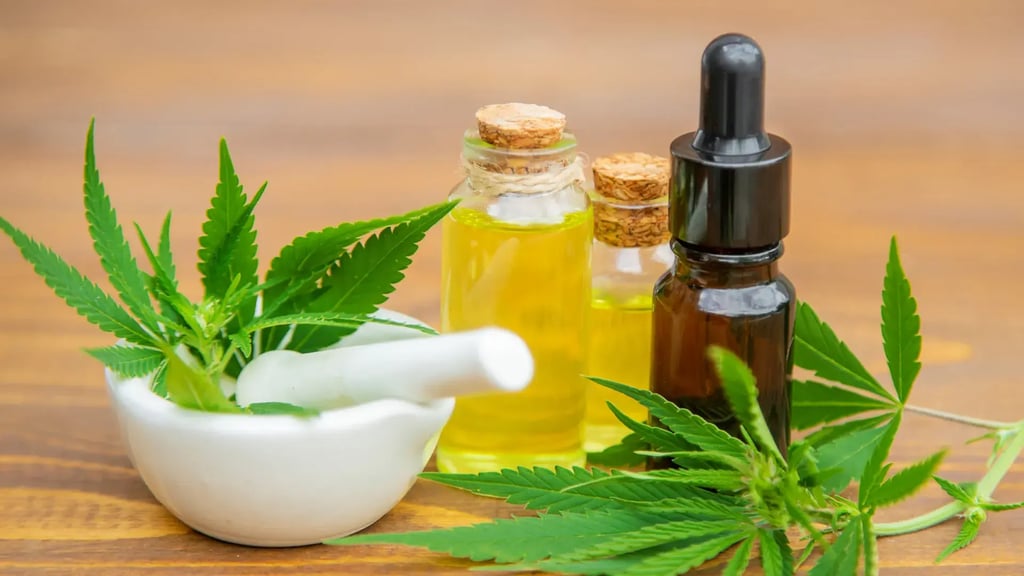
Cannabis is widely seen as low-risk, especially as legalization expands, but that perception does not reflect the full picture. According to the CDC, approximately 3 in 10 people who use cannabis develop cannabis use disorder, and for daily users, the risk rises to 1 in 4.
Understanding what marijuana use disorder actually is, what drives it, and how it is treated matters whether you use cannabis medically or recreationally.
What Is Cannabis Use Disorder?
Cannabis use disorder is a mental health condition defined by a problematic pattern of cannabis use that causes distress or impairs daily functioning. It exists on a spectrum from mild to severe, with addiction representing the most severe end.
According to DSM-5 diagnostic criteria, the severity of CUD is classified as follows:
- Mild CUD: Two to three diagnostic signs
- Moderate CUD: Four to five diagnostic signs
- Severe CUD: Six or more diagnostic signs
It is also worth noting that CUD mainly involves THC-containing products, not CBD.
Is Marijuana Actually Addictive?
Yes, though the risk varies significantly by age, frequency, and potency. About 10% of all users will develop cannabis dependency, rising to 25% for daily users and significantly higher for those who begin in adolescence.
THC triggers dopamine surges in the brain's reward center, which, over time, can desensitize the brain and create a compulsive drive to seek more. Genetics also plays a meaningful role. According to the Cleveland Clinic, genetics accounts for 40% to 60% of vulnerability to any substance use disorder, meaning some people face a meaningfully higher biological risk than others.
Marijuana Addiction Symptoms: What to Watch For
The signs of marijuana addiction symptoms can develop gradually, which makes them easy to overlook until patterns are already established.
Common diagnostic signs include:
- Using more cannabis than intended
- Failed attempts to cut back on use
- Spending significant time obtaining or recovering from use
- Continued use despite relationship problems, work or school issues, or worsening physical and psychological health
- Developing tolerance, meaning needing more cannabis to achieve the same effect
Withdrawal symptoms when stopping, including irritability, anxiety, sleeplessness, loss of appetite, and cravings, indicate physical dependency and are a key indicator that CUD has developed.
Other behavioral signs include memory problems, loss of motivation, emotional flatness, social withdrawal, and secretive behavior around use.
Why Potency Makes This More Complicated
The cannabis available today is significantly more potent than it was even a decade ago. According to theCDC, THC concentrations in cannabis nearly doubled between 2008 and 2017, from an average of 9% to 17% in research samples, with dispensary products often reaching 22% or higher.
High-potency products and certain delivery methods like dabbing and vaping concentrates deliver THC levels that significantly increase the risk of overconsumption and addiction. The full consequences of regular high-THC exposure on the brain are still being studied, but moderate evidence already links adolescent high-potency use to future mental health symptoms.
Who Is Most at Risk
Some groups face a considerably higher risk of developing cannabis use disorder than others.
- People who begin using before age 18 are four to seven times more likely to develop cannabis use disorder than adults
- Frequent or daily users, those with depression or other mental health conditions, and those with a family history of substance use disorder face an elevated risk
- About half of people with a mental health condition will also develop a substance use disorder at some point, and the two often reinforce each other
- Males are statistically more likely to develop CUD than females
CUD Diagnosis: How It Works
A cannabis use disorder diagnosis cannot be made with a single test. It requires a thorough evaluation of medical history, behavioral patterns, and mental health background. According to DSM-5 criteria, at least two signs must be present over 12 months for a formal diagnosis.
Drug testing may be used alongside clinical evaluation. Co-occurring mental health conditions are common and are assessed as part of the diagnostic process, since the two often need to be treated together rather than separately.
Marijuana Use Disorder Treatment: What Actually Helps
Effective marijuana use disorder treatment is available and highly individualized, depending on severity. Here is what the evidence supports:
Detoxification is typically the first step, allowing THC to clear the body. In severe cases, a physician may recommend tapering to manage withdrawal symptoms more comfortably.
Therapy-based approaches include:
- Cognitive behavioral therapy (CBT): One of the most evidence-supported approaches, helping patients identify patterns, build motivation to change, and develop relapse prevention strategies
- Dialectical behavior therapy (DBT): Particularly useful for patients who struggle with emotional regulation
- Contingency management: Uses structured incentives tied to negative drug tests and has shown strong results in some populations
Treating co-occurring mental health conditions at the same time rather than separately produces better outcomes overall. Self-help programs like Marijuana Anonymous can also support long-term recovery alongside clinical treatment.
CUD Is a Chronic Condition
This is an important point that is often misunderstood. Substance use disorder, including cannabis dependency, is a lifelong condition. It is not a short-term problem that resolves after detox.
Relapse is common and does not mean treatment failed. It means ongoing care is necessary. Treatment plans should be reviewed and adjusted over time as a patient's needs change, and sustained recovery is absolutely achievable with the right support.
A Note on Medical Use and Risk
For patients using medical cannabis, physician oversight, appropriate usage guidance, and regular check-ins are important factors in preventing the patterns associated with CUD. This is why education-first evaluations matter.
Patients who notice escalating use, tolerance, or difficulty reducing their consumption should discuss it with their certifying physician honestly rather than waiting. Early conversations lead to better outcomes.
How Doctors of Cannabis Can Help
Doctors of Cannabis takes an education-first approach to every evaluation. That means patients receive honest guidance, not just a certification.
Board-certified physicians in the Doctors of Cannabis partner network review mental health history and current medications as part of every evaluation. Patients who have concerns about their cannabis use are encouraged to raise them during the evaluation rather than after.
Whether you are considering medical cannabis for the first time or you have noticed patterns in your use that concern you, speaking with a physician is the right first step. Doctors of Cannabis connects patients to board-certified, state-licensed physicians who approach every evaluation with honesty and care.
No office visit required. No computer needed. Just a phone or secure video call with a physician who takes your full health picture seriously.
You only pay if you are approved. If you don't qualify, no charge is ever processed.
Book Your Evaluation with Doctors of Cannabis
The Bottom Line
Cannabis use disorder is real, relatively common, and treatable, but it requires honest self-assessment and professional support. The signs of marijuana addiction symptoms can develop gradually, which is why awareness matters from the start of use.
If you or someone you know is concerned about cannabis use patterns, speaking with a physician or mental health professional is the right next step.