Walk into any dispensary, and the number of product formats can be overwhelming, especially if you are new to medical marijuana. The method you choose shapes everything: onset time, duration, intensity, and whether the effects feel physical, cerebral, or both.
Understanding the main cannabis consumption methods before your first purchase makes the whole experience more predictable and easier to manage.
Why Consumption Method Matters
How cannabis enters your body determines what it does and how quickly.
When cannabis is inhaled, it reaches the bloodstream through the lungs within seconds, producing peak effects in about three minutes. When it is eaten, THC is converted by the liver into 11-hydroxy-THC, a metabolite that crosses the blood-brain barrier more efficiently and produces stronger, longer-lasting body effects.
When applied topically, cannabinoids interact with receptors in the skin and surrounding tissue without entering the bloodstream, meaning no intoxication.
Smoking vs edibles vs vaping is not just a preference question. It is a pharmacology question, and the answer changes depending on the condition being treated.
Inhalation Methods
Smoking
Smoking flower through a joint, pipe, or bong delivers effects within minutes, making it one of the fastest-acting cannabis ingestion methods available. The full terpene and cannabinoid profile of the flower is preserved, which supports the entourage effect.
That said, combustion produces tar, carbon monoxide, and other byproducts that can irritate the lungs, so it is not the best option for patients with respiratory conditions. Pre-rolls offer the same experience as a joint without the need to roll, a practical option for patients who want simplicity.
Vaping
Vaping heats cannabis flower or concentrate to between 350 and 450 degrees Fahrenheit, producing vapor instead of smoke and significantly reducing harmful byproducts. Onset is nearly as fast as smoking, with effects typically within minutes, but the experience tends to feel cleaner and less harsh on the lungs.
Vape pens are portable and discreet, with little odor, making them a practical option for patients who need relief throughout the day. They are not ideal for patients with any lung conditions, and the quality of cartridges varies, so sourcing from a licensed dispensary matters.
Dabbing
Dabbing vaporizes cannabis concentrates like wax, shatter, or live resin using a heated rig, producing highly potent and immediate effects. THC concentrations in concentrates are significantly higher than in flower.
In cannabis medicine, dabbing is generally discussed as better suited for experienced patients with established tolerance or high symptom loads, and is not a typical starting point for new medical cannabis patients.
Edibles
Edibles are one of the most popular ways to consume cannabis for patients who want smoke-free, long-lasting relief. Onset ranges from 30 minutes to 2 hours, depending on metabolism and whether the patient has eaten, and effects can last 4 to 8 hours or longer. THC processed through the liver produces a more physical, body-centered experience compared to inhalation.
The delayed onset is the most common source of overconsumption. Patients take more because they do not feel anything yet, then both doses hit together. For new patients, starting low and waiting before adjusting is the consistent guidance, and a physician can help identify an appropriate starting point based on your condition and health history.
Tinctures
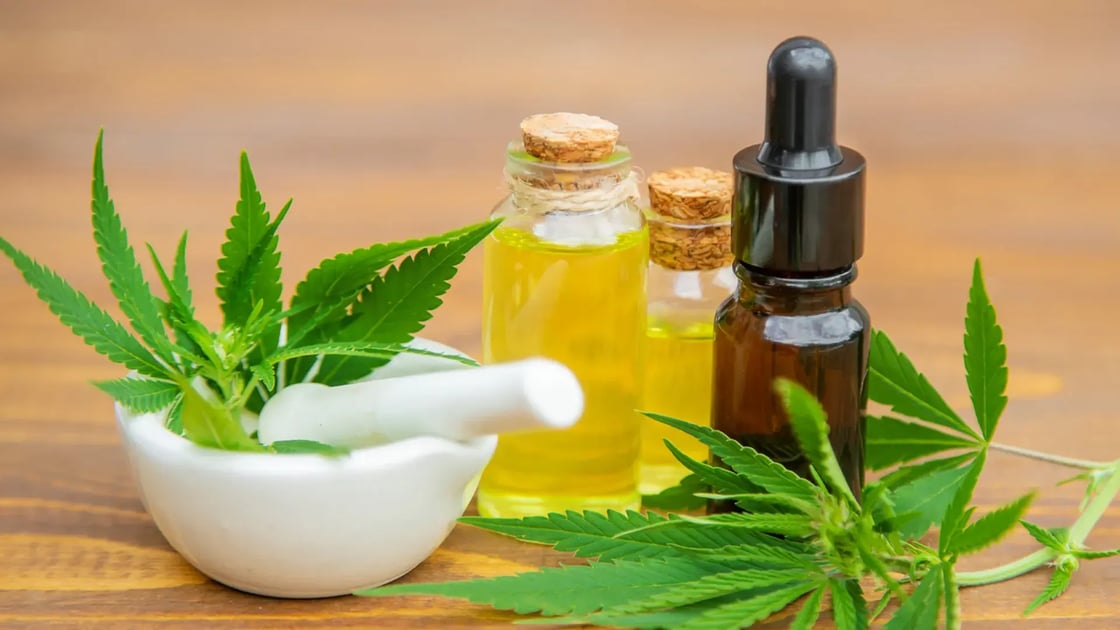
Tinctures are liquid cannabis extracts placed under the tongue, where they are absorbed directly into the bloodstream through sublingual vessels. Onset is typically 15 to 45 minutes, faster than edibles and more predictable than inhalation for some patients.
Any tincture that is swallowed rather than held under the tongue is then processed through digestion, producing a secondary wave of effects similar to edibles. Tinctures offer precise dosing via a dropper, making them a strong option for patients who need consistent, measurable amounts.
Capsules and Drinkables
Capsules contain a single dose of cannabis extract in a neutral oil, with an onset and duration similar to edibles. They are well-suited for patients who want a strict, scheduled dosing routine. Cannabis-infused beverages tend to kick in faster than solid edibles, typically within 15 to 30 minutes, because of how liquids are absorbed. Both formats are discreet, smoke-free, and easy to incorporate into a daily routine.
Topicals
Cannabis-infused creams, balms, and salves are applied directly to the skin and provide localized relief for pain, inflammation, and muscle soreness without producing intoxication. CB1 and CB2 receptors in the skin and surrounding tissue respond to cannabinoids at the site of application, making topicals a practical option for joint pain, arthritis, and localized nerve discomfort.
Transdermal patches work differently from standard topicals. They gradually release cannabinoids into the bloodstream over time and can produce systemic effects.
Topicals are a good option for patients who cannot tolerate any psychoactive effects or who need targeted relief during work hours.
How to Match Method to Your Condition
The right delivery method depends on what you are treating and when you need it to work.
- Patients who need fast relief from acute symptoms like breakthrough pain, nausea, or migraine onset are better served by inhalation or sublingual tinctures
- Patients managing chronic background pain, sleep disruption, or anxiety throughout the day often find edibles or capsules more consistent and easier to maintain
- Patients with localized pain from arthritis, muscle tension, or nerve damage can layer topicals on top of another method without affecting cognitive function
Choosing the right cannabis consumption method starts with understanding what you are trying to treat and when you need it to work. A physician can help match the delivery method to the condition.
How Doctors of Cannabis Can Help
The right delivery method is not something to guess at, especially when you are managing a medical condition. Doctors of Cannabis connects patients to board-certified, state-licensed physicians who do not just certify patients. They walk through delivery methods, cannabinoid ratios, and starting doses based on the specific condition being treated.
Evaluations are done by phone or secure video. No computer required, no office visit needed.
You only pay if you are approved. If you don't qualify, no charge is ever processed.
Book Your Evaluation with Doctors of Cannabis
The Bottom Line
The ways to consume cannabis are just as important as the strain or cannabinoid ratio you select. Cannabis consumption methods each carry different onset times, durations, and pharmacological profiles, and matching those to your condition and lifestyle is what makes medical marijuana work reliably.
A physician evaluation is the best first step to getting that match right from the start.