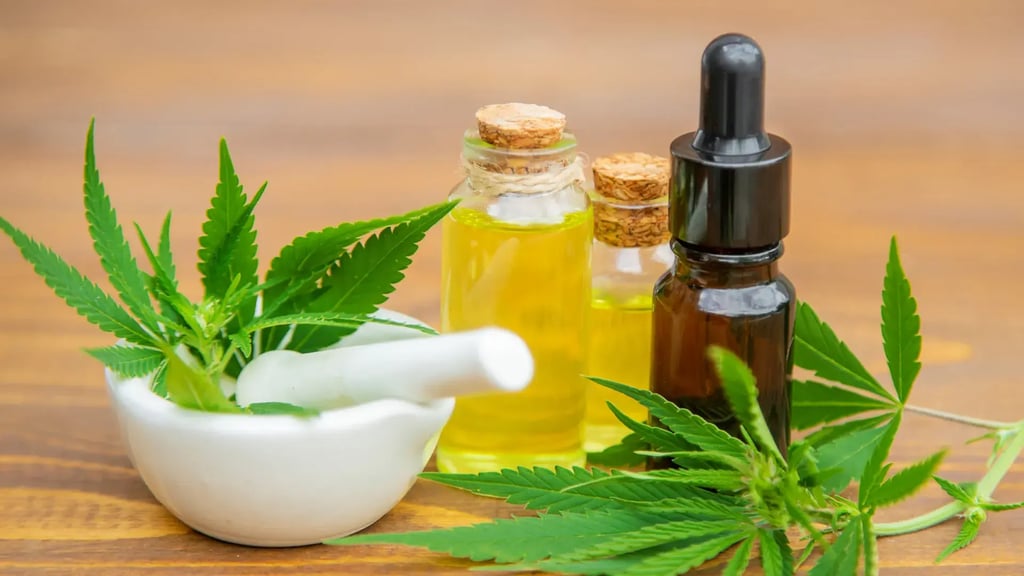
Georgia's medical marijuana program isn't like what you'll find in most other states. If you're expecting to walk into a dispensary and pick up flower, edibles, or high-potency concentrates, that's not how it works here. Georgia's program is built around low-THC oil products only, and the application process runs differently from the patient-driven systems most other states use.
That doesn't mean it's complicated. It just means you need to know what you're getting into before you book your first appointment.
This guide covers everything: the Georgia medical marijuana qualifying conditions you need to meet, what documents you need, how the application actually works, and what to expect once your card arrives.
What Makes Georgia's Medical Marijuana Program Different
Georgia operates what's officially called the Low-THC Oil Registry. The name tells you something important right away: this is not a broad medical marijuana program in the traditional sense.
A few things stand out compared to other states:
THC is capped at 5%. Products available to Georgia patients cannot exceed 5% THC by weight, and CBD content must equal or exceed the THC amount. If you've used medical cannabis in Oklahoma, Arizona, or California, you'll notice a significant difference in product potency.
No flower, edibles, or concentrates. Georgia patients can legally access tinctures, oils, and capsules from licensed dispensaries. That's the range. Dried cannabis flower and vaping products are not part of the program.
Your doctor submits the application, not you. This is one of the most distinctive features of Georgia's system. Unlike most states, where patients complete their own state registration, in Georgia, your physician handles the paperwork and submits it to the state on your behalf.
Cards are valid for five years. Most states require annual or biennial renewal. Georgia's five-year card validity is notably longer and means fewer renewal cycles for most patients.
No home cultivation. Georgia does not allow patients to grow their own cannabis plants regardless of medical need.
If these restrictions fit your situation, obtaining a medical cannabis card Georgia patients rely on is a straightforward path to legal low-THC oil access. If you need higher-potency products, you'd need to look at whether your situation warrants living in or relocating to a state with a broader program.
Georgia Medical Marijuana Qualifying Conditions
Georgia law specifies 17 Georgia medical marijuana qualifying conditions for the Low-THC Oil Registry. Unlike states that give physicians broad discretion, Georgia's list is defined by statute, and several conditions require a severe or end-stage diagnosis.
Here's the complete list of what conditions qualify for medical marijuana in Georgia:
- AIDS (severe or end-stage)
- Alzheimer's disease (severe or end-stage)
- ALS (Amyotrophic lateral sclerosis, severe or end-stage)
- Autism spectrum disorder (severe diagnosis, adults 18+ or minors)
- Cancer (end-stage, or with treatment-related wasting illness, or recalcitrant nausea and vomiting)
- Crohn's disease (no severity restriction)
- Epidermolysis bullosa (rare genetic skin disorder)
- Intractable pain (chronic pain not adequately managed by conventional treatments)
- Mitochondrial disease (heart-related)
- Multiple sclerosis (severe or end-stage)
- Parkinson's disease (severe or end-stage)
- Patients in hospice care (inpatient or outpatient) automatically qualify regardless of underlying condition.
- Peripheral neuropathy (severe or end-stage)
- PTSD (from direct trauma exposure, patients 18+)
- Seizure disorders (epilepsy-related or trauma-related head injury seizures)
- Sickle cell disease (severe or end-stage)
- Tourette's syndrome (severe diagnosis)
A few things worth noting here. Intractable pain is one of the more broadly applicable conditions on the list. It covers chronic pain from sources like back injury, arthritis, fibromyalgia, neuropathy, migraines, and post-surgical pain when conventional treatments haven't provided adequate relief. This opens the door for a significant number of patients who might not have a condition from the rest of the list.
Hospice patients qualify automatically, regardless of what condition brought them to hospice care.
PTSD qualifies specifically for patients 18 and older who have experienced direct trauma exposure.
Georgia MMJ Card Requirements: What You'll Need
Understanding the Georgia MMJ card requirements before your appointment saves time and prevents the frustration of arriving unprepared. Before your physician can submit your application, you'll need to have a few things in order.
Proof of Georgia residency. A valid Georgia driver's license or state-issued ID showing a current address where you've lived for at least six months. If you've recently moved, utility bills or other documentation may be needed to verify your address.
Physician certification. A signed certification from a Georgia-licensed physician who is registered with the Low-THC Oil Registry. Not every doctor in Georgia can certify patients for this program. Your provider needs to have completed the required state registration to participate.
A notarized Low-THC Waiver form. This is a state-required form acknowledging that you understand how low-THC oil works and the legal parameters of the program. You'll need to sign this in front of a notary public before it can be submitted. Banks typically offer notary services for free or a small fee.
For minors: A parent, legal guardian, or court-appointed custodian must apply on the minor's behalf and serve as the designated caregiver.
For adults needing caregiver support: Legal guardians of qualifying incapacitated adults can also apply for caregiver designation.
Georgia does not restrict medical marijuana access based on criminal history, which is different from some other states.
How to Get a Medical Marijuana Card in Georgia: Step by Step
Step 1: Confirm Your Eligibility
Verify that your diagnosis appears on the Georgia qualifying conditions list. If you have intractable pain or a condition that falls into a "severe or end-stage" category, gather documentation that supports that characterization from your medical records.
Step 2: Find a Registered Physician
Not every Georgia doctor participates in the Low-THC Oil Registry. You need a physician who has completed the required state training and registration. Telemedicine appointments are officially sanctioned for medical marijuana evaluations across Georgia, so you can complete this step from home via secure video call.
Step 3: Attend Your Medical Evaluation
During your appointment, the physician reviews your medical history, current symptoms, and previous treatment attempts. They'll determine whether low-THC oil is an appropriate part of your care. Come prepared with medical records documenting your condition and any treatments you've tried that haven't worked adequately.
The evaluation typically runs 15-30 minutes for telemedicine appointments.
Step 4: Receive Your Certification
If the physician approves your certification, they'll complete the Low-THC Oil Certification form. This is your documentation of qualifying for the program.
Step 5: Sign and Notarize the Waiver
Complete the Low-THC Waiver form and get it notarized. Local banks, UPS stores, and notary publics can handle this. The cost is usually $5 to $15.
Step 6: Doctor Submits Your Application
This is where Georgia's process diverges from most other states. Your physician submits both the certification and the notarized waiver directly to the Georgia Department of Public Health on your behalf. You don't submit your own state application.
Step 7: Pay the State Fee
You'll complete payment through the state's secure online portal. The fee is $30 for the card itself plus a $3.75 payment processing fee. A money order is also accepted if you prefer not to pay online.
Step 8: Wait for Notification
Expect an email within 15 business days letting you know your card is ready.
Step 9: Pick Up Your Card
Collect your medical cannabis card Georgia patients receive from your designated local public health office. Bring a valid ID. The state also offers UPS delivery requiring a signature if you don't have a secure address for pickup.
What Low-THC Oil Products Are Actually Available
Once you have your Georgia low-THC oil card, here's what you can legally access from Georgia's licensed dispensaries (14 as of early 2026):
Georgia patients can possess up to 20 fluid ounces of low-THC oil with a valid registry card. Products are available in tincture, oil, and capsule formats. Dispensary staff can help you understand available product options, including CBD:THC ratios and usage considerations.
The 5% THC ceiling is a meaningful limitation for patients coming from other states or expecting the potency available in broader medical programs. For conditions like severe chronic pain or advanced cancer symptoms, the restriction may mean lower-THC products provide less relief than higher-potency alternatives would. This is a realistic expectation to set before committing to the program.
Quality standards for licensed Georgia manufacturers are strict. Testing protocols cover contaminants, potency verification, and cannabinoid ratios.
What It Will Cost You
Here's what to expect for first-time applicants:
Physician consultation: $150 to $200 for the initial evaluation and certification from a Low-THC Oil Registry-registered doctor (as of early 2026, verify current fees before applying).
State application fee: $30 payable to the Georgia Department of Public Health.
Payment processing fee: $3.75 if paying through the online portal.
Notarization: $5 to $15 at a local bank or notary public.
Total first-time cost: Approximately $185 to $250, covering all of the above (as of early 2026).
Health insurance does not cover medical marijuana evaluations or state fees in Georgia.
The five-year card validity is genuinely helpful from a cost perspective. You won't be paying annual renewal fees. When your card does approach expiration, the renewal process follows the same steps as the initial application, including a new physician evaluation and state fee.
A Note on Intractable Pain as a Qualifying Condition
Because intractable pain is one of the more accessible conditions on Georgia's list, it's worth spending a moment on what actually qualifies.
Intractable pain refers to chronic pain that has not been adequately managed by conventional treatments over a significant period. This includes back pain, arthritis, fibromyalgia, neuropathy, migraines, and post-surgical pain, among others.
What physicians look for when evaluating intractable pain claims:
Medical records documenting the pain diagnosis and how long you've been dealing with it. Evidence that you've tried conventional treatments, including prescription medications, injections, physical therapy, or other approaches, and that they haven't provided adequate relief. Consistent pain ratings of 5 or higher on a 10-point scale that meaningfully interfere with your daily activities strengthen the case.
Low-THC oil may be an option worth exploring with your physician when opioids, NSAIDs, nerve blocks, and physical therapy haven’t delivered adequate results. If that describes your situation, intractable pain is a legitimate path to certification.
Minor Patients and Caregiver Designations
Minors with qualifying conditions require a designated caregiver to apply on their behalf. Eligible caregivers include parents, legal guardians, and court-appointed custodians.
The caregiver receives their own card authorizing them to purchase, possess, and administer low-THC oil to the minor patient. Multiple caregivers can be designated when needed for care coordination.
Caregivers are responsible for proper medication storage, appropriate usage, and keeping the low-THC oil away from other children in the household. Legal guardians of qualifying incapacitated adults can also apply for caregiver status under the same process.
Limitations Worth Knowing Before You Apply
Being straightforward about the gaps in Georgia's program helps you make an informed decision.
Product potency is the most commonly cited limitation. Patients managing severe chronic pain or advanced conditions sometimes find that 5% THC products don't deliver the symptom relief they were hoping for. If that happens, conversations with your dispensary's staff about product ratios and delivery methods are worth having before giving up on the program.
Dispensary access is more limited than in broader medical states. Georgia currently has 14 licensed dispensaries statewide. In a large state, that means some patients face a meaningful travel time to reach one.
Workplace protections do not exist in Georgia's current law. Employers can still take action based on positive drug tests. Your medical card does not shield you from employment consequences related to cannabis use in most workplace situations. This is an important consideration for patients whose jobs involve drug testing.
No reciprocity. Georgia doesn't recognize out-of-state medical marijuana cards, and Georgia's card isn't accepted in other states. Interstate cannabis transport remains federally illegal regardless of card status.
Firearm purchasing is affected by federal cannabis prohibition. Medical marijuana patients face restrictions on firearm purchases under federal law, regardless of state-level legality.
How Doctors of Cannabis Can Help Georgia Patients
Doctors of Cannabis connects Georgia patients with board-certified, state-licensed physicians who take an education-first approach to every evaluation. That means the physician doesn’t just verify your condition; they take time to explain how cannabinoids may relate to your qualifying condition, which delivery methods patients in your situation commonly consider, how to think about usage, and what realistic expectations look like.
Physicians in the Doctors of Cannabis network also review your current medications to identify any potential interactions worth discussing with your care team. These physicians are registered in Georgia’s Low-THC Oil Registry and are familiar with the specific documentation and notarization requirements the state program involves.
Through our telehealth partner network, patients can complete their evaluation by phone or secure video, whichever works best. Select your state, book your appointment, and speak with a licensed physician at your scheduled time. If you qualify, you’ll receive your certification and guidance on any state registration steps specific to your program.
Transparent pricing, no surprise fees, and you only pay if approved. Your card is validated at registration, but never charged unless the physician certifies you.
For patients who need help navigating Georgia’s notarization and submission requirements after their evaluation, Doctors of Cannabis also offers an application assistance program through a dedicated network of experienced cannabis nurses.
Doctors of Cannabis connects patients to licensed physicians through our telehealth partner network. You only pay if approved.
Ready to get started? Book your appointment with Doctors of Cannabis today and speak with a physician who will actually explain your options.
The Bottom Line
Getting a medical marijuana card in Georgia is a manageable process once you understand how the state's program actually works. It's different from most other states, but different doesn't mean complicated.
The key points to take away: Georgia's program covers low-THC oil products only, with a 5% THC cap. Your qualifying condition needs to appear on the state's list of 17 approved diagnoses, and many of those require a severe or end-stage characterization. Your physician submits the application directly to the state, not you. The notarized waiver is a required step most people don't find out about until they're mid-process. And the card, once issued, is valid for five years.
Total first-year costs run approximately $185 to $250 as of early 2026, covering your physician evaluation, state fee, and notarization. There are no annual renewal fees until your card approaches its five-year expiration.
If your condition is on the qualifying list and you're dealing with symptoms that conventional treatments haven't managed well, Georgia's program is a legal and accessible path to low-THC oil treatment. Going in with accurate expectations about what the program offers and what it doesn't is the best way to make it work for you.


.png?width=2000&height=630&name=Qualification%20to%20Get%20Medical%20Marijuana%20Card%20(Georgia).png)